Is Obamacare Really Free? What You Should Know Before You Enroll

If you’ve been researching health insurance lately, you’ve probably heard someone claim that “Obamacare is free.” That statement gets repeated constantly online, in advertisements, and during enrollment season, but it often creates more confusion than clarity.


So, is Obamacare really free?


For some people, it can be. But for most Americans, the Affordable Care Act simply makes health insurance more affordable, not completely cost-free.

Understanding the difference matters because many people enroll in a plan expecting little or no healthcare costs, only to discover they still have deductibles, copays, or other out-of-pocket expenses.


At Maher Insurance Group, we help clients navigate ACA health insurance every day, and one of the biggest misconceptions we hear is that a $0 premium means free healthcare. It doesn’t.


What Is Obamacare?

“Obamacare” is the nickname for the Affordable Care Act, or ACA, which became law in 2010. The goal of the ACA was to expand access to health insurance and reduce the number of uninsured Americans.

The law created the Health Insurance Marketplace, where individuals and families can shop for health insurance plans and potentially qualify for financial assistance based on income and household size. The ACA also introduced protections that many Americans now take for granted, including coverage for pre-existing conditions and preventive healthcare services.


But despite what many people believe, the Affordable Care Act was never designed to provide free health insurance for everyone. Instead, it was designed to make coverage more affordable through subsidies and tax credits.


Why Some Obamacare Plans Cost $0 Per Month

The reason people believe Obamacare is free is because many marketplace plans now advertise monthly premiums as low as zero dollars.

That happens because of Advance Premium Tax Credits, commonly called ACA subsidies. These tax credits lower the amount you pay each month for your health insurance premium.


The amount of financial assistance available depends on several factors, including:

  • Your household income
  • Family size
  • Your age
  • Where you live
  • The cost of plans in your area


For individuals or families with lower qualifying incomes, these subsidies can become large enough to cover the entire monthly premium for certain plans. When that happens, the enrollee may have a $0 premium health insurance plan.

That is where the phrase “free Obamacare” comes from.


A $0 Premium Does Not Mean Free Healthcare

This is the part many people misunderstand.


Even if your monthly premium is completely covered, you may still have healthcare expenses when you use your insurance. Depending on the plan, those costs may include deductibles, copayments, coinsurance, prescriptions, and specialist visits.

For example, someone may enroll in a $0 premium ACA plan but still have a deductible of several thousand dollars before certain medical services are covered.

In other words, your insurance plan itself may cost nothing each month, but your medical care may not.

That’s why it’s important to look beyond the monthly premium when comparing health insurance plans. A plan with a slightly higher premium may actually save you money over the course of the year if it offers lower deductibles and better coverage.


Cost-Sharing Reductions Help Lower Out-of-Pocket Costs

In addition to premium tax credits, the ACA also includes Cost-Sharing Reductions, often called CSRs.

These reductions help eligible individuals lower their out-of-pocket healthcare expenses. Depending on income level, CSRs can reduce:

  • Deductibles
  • Copays
  • Coinsurance
  • Maximum out-of-pocket costs


Unlike premium tax credits, Cost-Sharing Reductions are only available on Silver-level marketplace plans. For qualifying individuals and families, these reductions can make a major difference in overall healthcare affordability. This is especially important for people who expect regular doctor visits, prescriptions, or ongoing medical treatment.


Who Qualifies for Obamacare Subsidies?

Many Americans are surprised to learn they qualify for ACA financial assistance. Eligibility is based mainly on household income and family size, and subsidy limits have expanded significantly in recent years. As a result, many middle-income households now qualify for premium savings that previously were unavailable.

ACA marketplace plans are especially common among:

  • Self-employed individuals
  • Small business owners
  • Freelancers and gig workers
  • Early retirees
  • Families without employer-sponsored coverage
  • People between jobs


Every household situation is different, which is why personalized guidance can make such a big difference during enrollment.


The Cheapest Health Insurance Plan Isn’t Always the Best

One of the biggest mistakes consumers make is choosing the lowest monthly premium without reviewing the full plan details.

A low-cost plan may come with:

  • A narrow doctor network
  • High deductibles
  • Limited prescription coverage
  • Larger out-of-pocket exposure during emergencies


Health insurance should protect both your health and your finances. The best plan is not always the one with the lowest premium. It’s the one that balances affordability with meaningful coverage.


So, Is Obamacare Really Free?

For a small percentage of people, Obamacare can effectively be free from a monthly premium perspective. But for most Americans, the Affordable Care Act is better understood as a way to reduce the cost of health insurance rather than eliminate it entirely. The ACA provides valuable financial assistance through premium tax credits and cost-sharing reductions, helping millions of people access affordable healthcare coverage every year.

The key is understanding how these plans work before enrolling.


At Maher Insurance Group, we help individuals and families compare ACA health insurance plans, understand subsidy eligibility, and choose coverage that fits their healthcare needs and budget. If you’re unsure whether you qualify for savings or want help navigating your options, our team is here to guide you every step of the way.


Contact us today!

OTHER POSTS

By Brad Hind May 1, 2026
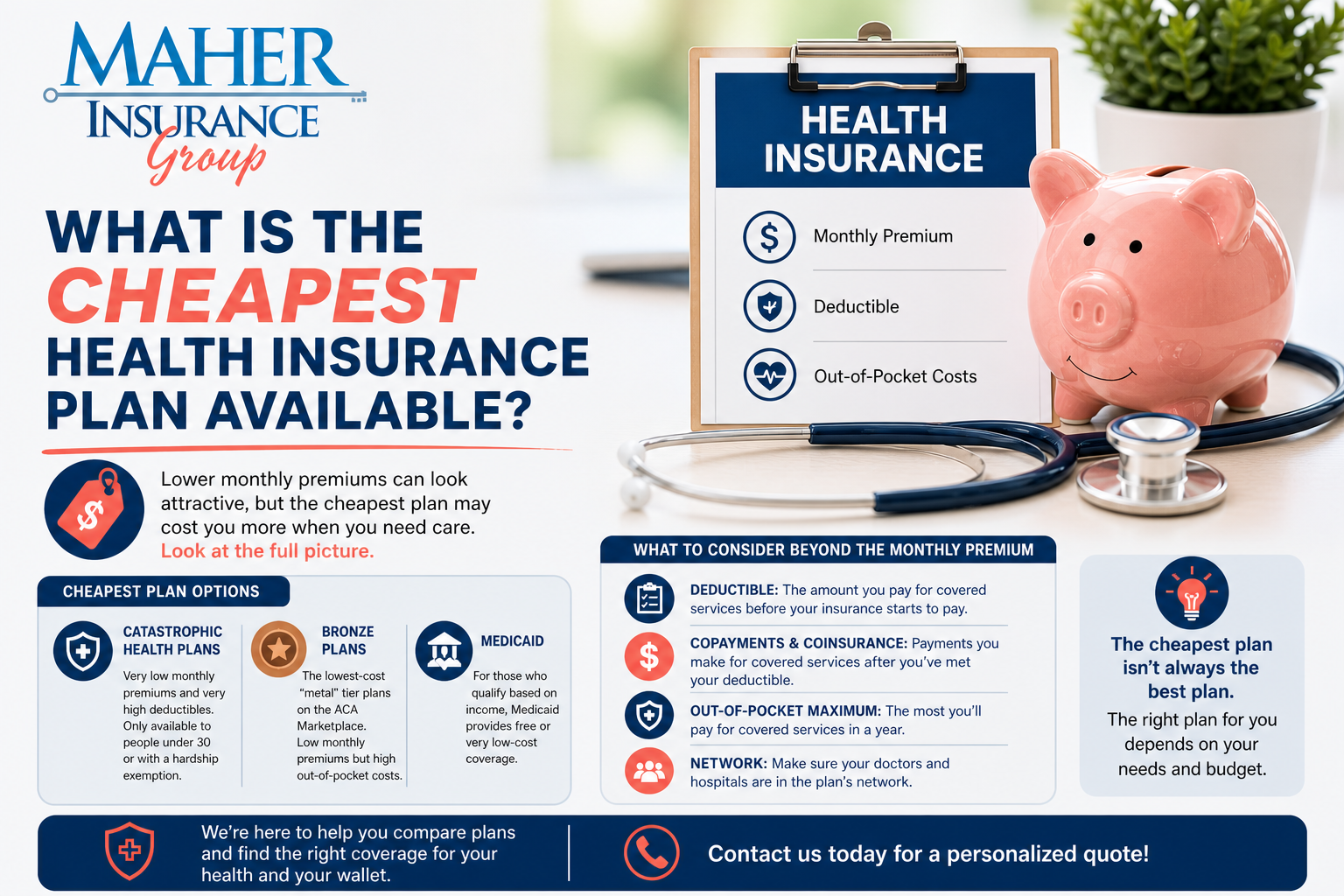
Everyone wants to find a great deal, and health insurance is no exception. But when it comes to finding the “cheapest” plan, it’s important to look beyond just the monthly premium. A plan that looks affordable upfront can end up costing you more later if you need care. The ch eapest health insurance plans are usually those with the lowest monthly premiums, but they often come with higher deductibles and out-of-pocket costs. These are commonly known as high-deductible health plans (HDHPs). For people who are generally healthy and don’t expect to use medical services, these plans can make sense. However, if you have ongoing health needs or unexpected medical issues arise, the costs can add up quickly. Common Low-Cost Health Insurance Options If you’re looking for more affordable coverage, here are a few options that are typically considered the “cheapest”: Catastrophic Health Plans These plans offer very low monthly premiums but come with very high deductibles. They are designed to protect you in worst-case scenarios, like serious illness or injury. Catastrophic plans are usually only available to individuals under age 30 or those who qualify for a hardship exemption. Bronze Plans Bronze plans are the lowest-cost tier available through the ACA Marketplace. They have lower monthly premiums but higher out-of-pocket costs when you receive care. These plans can be a good option if you want basic coverage and are comfortable paying more when you actually use services. Medicaid For individuals and families who qualify based on income, Medicaid provides free or very low-cost health coverage. It’s one of the most affordable options available and offers comprehensive benefits. What to Consider Beyond the Monthly Premium While it’s tempting to focus only on what you’ll pay each month, it’s just as important to understand the other costs that come with a plan: Deductible This is the amount you must pay out of pocket before your insurance starts covering services. Copayments and Coinsurance These are your share of the costs after you meet your deductible, such as payments for doctor visits, prescriptions, or procedures. Out-of-Pocket Maximum This is the most you’ll have to pay in a year for covered services. Once you reach this limit, your insurance covers 100% of eligible costs. Network Make sure your preferred doctors, specialists, and hospitals are included in the plan’s network. Going out of network can significantly increase your costs. The Bottom Line The cheapest health insurance plan isn’t always the best plan. The right choice depends on your health needs, how often you expect to use care, and what you can realistically afford if something unexpected happens. Taking the time to compare both monthly premiums and potential out-of-pocket costs can help you find a plan that truly fits your budget and gives you peace of mind.
By Brad Hind May 1, 2026
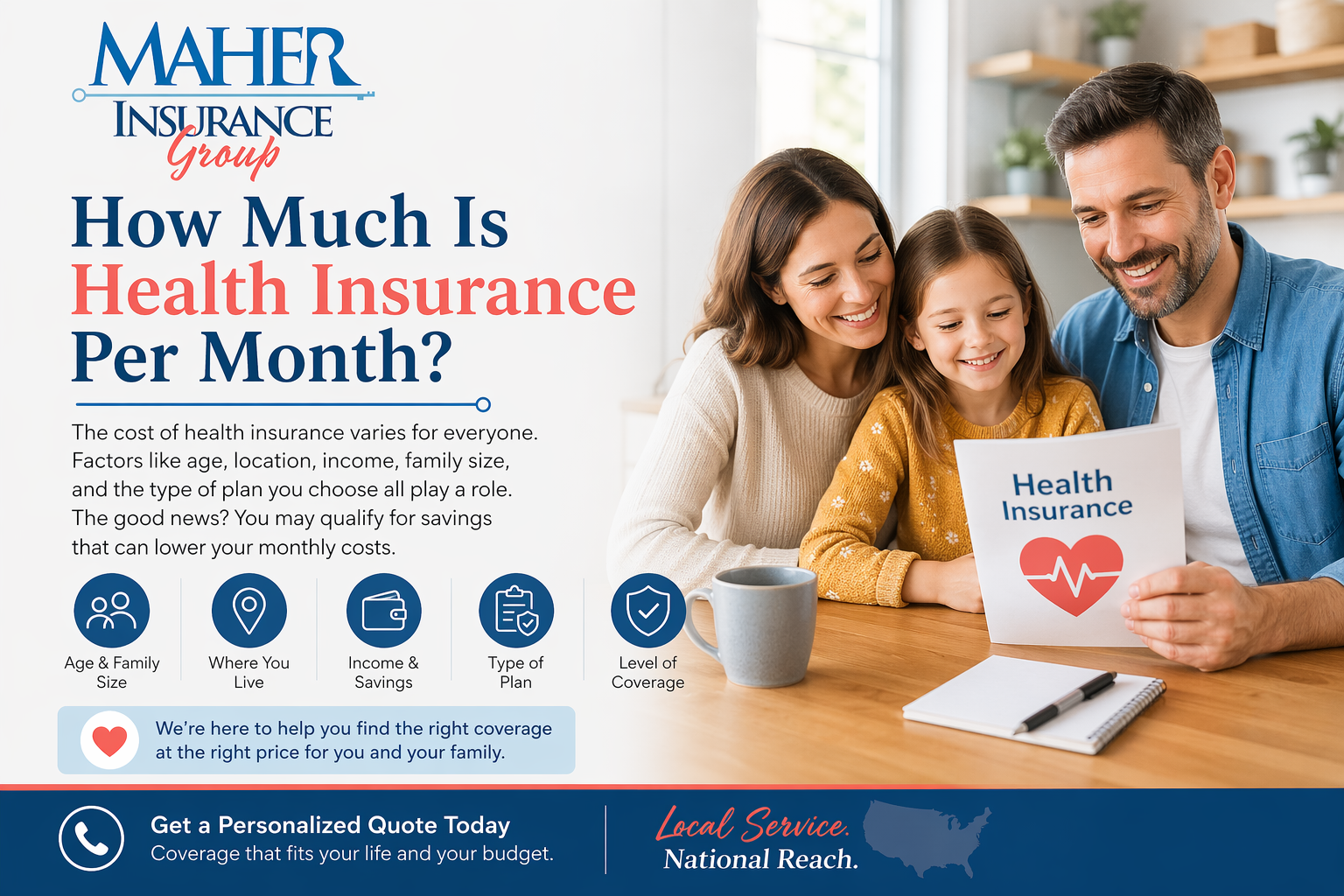
The cost of health insurance is one of the biggest concerns for individuals and families when choosing a plan. And while it’s a simple question, the answer isn’t one size fits all. In reality, your monthly premium can vary quite a bit depending on your personal situation, the type of plan you choose, and whether you qualify for financial assistance. Here’s a closer look at what impacts the cost of health insurance. What Affects Your Monthly Health Insurance Premium? Several key factors go into determining how much you’ll pay each month: Your Age: In general, older individuals pay higher premiums than younger ones. This is because healthcare usage tends to increase with age. Your Location: Where you live matters. Health insurance costs can vary by state, and even by county. Local healthcare costs, provider availability, and competition between insurers all play a role. Your Income: Your income is especially important if you’re purchasing coverage through the Health Insurance Marketplace. Many individuals and families qualify for subsidies that can significantly lower monthly premiums. Your Family Size: The more people you cover on your plan, the higher your total premium will be. However, there are limits on how much insurers can charge for children under a certain age. The Type of Plan: Different plan structures come with different costs and flexibility: HMO (Health Maintenance Organization): Lower premiums, but requires you to stay in-network and get referrals PPO (Preferred Provider Organization): More flexibility to see specialists and out-of-network providers, usually with higher premiums EPO (Exclusive Provider Organization): A mix of both, with no out-of-network coverage except emergencies The Level of Coverage (Metal Tiers): Marketplace plans are divided into four tiers: Bronze: Lowest monthly premium, highest out-of-pocket costs Silver: Moderate premium and costs, and the only tier eligible for extra savings (CSRs) Gold: Higher premium, lower out-of-pocket costs Platinum: Highest premium, lowest costs when you receive care Choosing the right tier depends on how often you expect to use healthcare services. What About Deductibles and Out-of-Pocket Costs? Your monthly premium is only part of the picture. It’s also important to understand: Deductible: What you pay before insurance starts covering costs Copayments and Coinsurance: Your share of costs for doctor visits, prescriptions, and services Out-of-Pocket Maximum: The most you’ll pay in a year before your plan covers 100% of covered services Sometimes a plan with a lower monthly premium may end up costing more overall if you need frequent care. Financial Help That Can Lower Your Costs One of the biggest benefits of the Affordable Care Act is that many people don’t pay full price for coverage. Advance Premium Tax Credits (APTCs) These credits lower your monthly premium based on your income and household size. In many cases, they can make coverage far more affordable than expected. Cost-Sharing Reductions (CSRs) If you qualify, CSRs reduce your out-of-pocket costs like deductibles and copays, but only if you choose a Silver plan. So, How Much Does Health Insurance Cost? While costs vary, many individuals are surprised to find that after subsidies, their monthly premium can be much lower than expected. The only way to know for sure is to look at plans tailored to your situation. Find the Right Plan for Your Needs Health insurance isn’t just about finding the lowest price. It’s about finding the right balance between your monthly premium and what you’ll pay when you actually use your coverage. Reach out today for a personalized quote and expert guidance.
By Lee Roberts December 31, 2025
As 2026 begins, we’re excited to spotlight an organization whose mission touches hearts around the world: St. Jude Children’s Research Hospital. Founded on the belief that no child should die in the dawn of life, St. Jude leads the way in research and treatment for pediatric catastrophic diseases — especially childhood cancers — while ensuring that families never receive a bill for treatment, travel, housing, or food. This remarkable approach allows families to focus on what matters most: helping their children live. For more than six decades, St. Jude’s groundbreaking work has transformed pediatric care, increasing childhood cancer survival rates from around 20% when it opened to more than 80% today. Researchers and clinicians at St. Jude share discoveries freely with hospitals worldwide so that every child, wherever they live, can benefit from lifesaving advances. Families from all 50 states and beyond come to St. Jude for hope, care, and cutting‑edge treatment that wouldn’t otherwise be possible. At Maher Insurance, we are inspired by St. Jude’s commitment to children and families facing overwhelming challenges. For every referral received, Maher Insurance will donate $10 to support this vital mission — helping drive cures and care for children who need it most. As you think about the year ahead, consider nominating someone you care about for a no‑obligation insurance quote with Maher Insurance. It’s a simple way to protect the people you love and support an organization that’s making a lasting difference for children and families everywhere.
By Lee Roberts September 30, 2025
On any given day in South Florida, thousands of families face the gnawing worry of an empty fridge or an uncertain next meal. At Maher Insurance, we’ve seen how small acts can ripple into real change, which is why we’re proud to support Feeding South Florida, a nonprofit dedicated to ending hunger and bringing hope to our neighbors. Feeding South Florida works tirelessly across Palm Beach, Broward, Miami-Dade, and Monroe counties to provide nutritious food to children, seniors, and families in need. From weekend backpack programs for students to senior meal deliveries, their initiatives ensure that no one goes without the essentials needed to thrive. Each meal distributed is more than nourishment — it’s dignity, care, and a tangible reminder that someone in their community cares. This quarter, Maher Insurance invites you to join us in supporting this vital mission. For every referral we receive, we’ll donate $10 to Feeding South Florida. There’s no obligation — simply refer a friend, family member, or neighbor for a no-obligation insurance quote, and your small gesture will help provide meals for those who need them most. Imagine the difference: a simple referral helping a child return to school nourished, a senior enjoy a healthy dinner, or a family rest easy knowing someone is looking out for them. Together, we can transform connections into care — ensuring our South Florida neighbors face the future with hope, not hunger.
By Lee Roberts June 30, 2025
Every life has value—and at Cleveland Animal Protective League , even the smallest pawprint leaves a lasting impact. That’s why Maher Insurance is proud to announce our newest Community Cause campaign in support of the Cleveland APL, a vital organization that has been protecting, healing, and rehoming animals since 1913. For every referral we receive, we will donate $10 to the Cleveland APL to help further their mission. Cleveland APL gives voice to the voiceless. Each year, thousands of animals in need find shelter, medical care, and second chances through their dedicated programs. From rescuing neglected pets to providing spay/neuter services and running their innovative “Project CARE” to keep animals with the families who love them—their work is rooted in compassion and fueled by community. But with rising costs and growing demand, their resources are stretched. The need for food, veterinary supplies, and safe shelter has never been greater. That’s where you come in. When you refer someone to Maher Insurance for a quote, you’re not only helping them protect what matters—you’re helping save lives. No purchase is necessary. One referral = one donation. Together, we can make a real difference—for the animals still waiting, for the families who adore them, and for a community that believes every tail deserves a happy ending. Refer today. Give hope. Be a part of something truly meaningful.
By Lee Roberts March 31, 2025
A dog’s eyes tell a story—of love, of hope, and sometimes, of unimaginable hardship. Abandoned, neglected, or left behind, thousands of dogs each year face uncertain fates. But at Big Dog Ranch Rescue, they are given a second chance—a chance to heal, to trust again, and to find the loving homes they deserve. Since 2008, Big Dog Ranch Rescue has saved over 73,000 dogs, operating as the largest cage-free, no-kill rescue in the country. Their mission goes beyond rescue—they educate communities, advocate for stronger animal welfare laws, and provide free sterilization services to prevent future suffering. Each wagging tail that leaves their care is a victory, a testament to their unwavering commitment. Maher Insurance is proud to stand with this incredible organization as part of our Community Cause campaign. For every referral we receive, we will donate $10 to Big & Small Dog Ranch Rescue, ensuring that more dogs receive the care, rehabilitation, and love they need. This is more than a donation—it’s a chance for a once-forgotten dog to feel safe in someone’s arms. It’s hope for a pup who has never known kindness. Join us in making a difference. Together, we can help end dog homelessness and create a world where every tail has the chance to wag with joy.
By John Tate January 8, 2024
At Maher Insurance Group, we sincerely believe in the importance of nurturing and safeguarding our youth. They are our future, and ensuring their safety and well-being is paramount. Tragically, many young people in our country currently face the struggles of homelessness and human trafficking, enduring hardships that no one should have to experience. In case you haven't heard, we here at MIG have fully embraced the #AgentsOfChange movement. In addition to providing you with the best insurance coverage possible, our mission is to help support nonprofits that make meaningful contributions to our communities across the country. That's why we're partnering with The Covenant House, an organization that provides a haven and essential services to homeless and trafficked youth. The Covenant House is a beacon of hope, offering shelter, care, and crucial support services to young people in need. They operate tirelessly, ensuring these individuals have access to a safe environment and the opportunity to rebuild their lives. For the next three months, for every friend or family member you refer to us for a no-obligation insurance quote, we will donate $10 in your name to The Covenant House. This is our way of contributing to their life-changing work. Join us in this heartfelt endeavor. Together, we can make a significant difference in the lives of these young people, helping to provide them with the support and care they desperately need.